
Ah, Alsace, land of culinary traditions where an exotic scent from Korea now wafts. A Korean ramen factory has set up in this emblematic region, ready to shake up the codes of the food industry. How will this Asian incursion revolutionize our plates and tease our taste buds? Follow the guide for a flavorful journey full of tastes and surprises!
A Korean ramen factory in Alsace: a revolution in the food industry
For the Korean food group Sias, Alsace offers the ideal conditions to revolutionize the food industry. By choosing to establish its first Korean-style ramen factory in Wisches, in the Bas-Rhin, the group benefits from a territory well represented in the pasta market and a central geographical position in Western Europe. This facility will serve the European market, notably France, neighboring Benelux, and Germany.
The acquisition of the 11,000 m² site and its redevelopment represents an investment of 14 million euros. It is actually part of the former salmon processing plant of Delpierre, which closed in 2020. This site already meets food standards, allowing Sias to quickly start production.
European ingredients for authentic ramen
The factory is set to begin production in 2025, with an annual output of 50 million cups of ramen. The ramen market is experiencing strong growth in Europe, with an estimated import revenue of between 200 and 250 million euros per year. Sias, which will be the first to produce Korean-style ramen on the Old Continent, aims to stand out by using European ingredients, particularly flours.
This initiative is part of the Korean group’s strategy to increase its presence in Europe. Sias has been investing in a production site in Roye, in the Somme, dedicated to Korean frozen dishes for four years now. This unit already generates half of its revenue from exports, mainly to the European Union.
The advantages of ramen in the food industry
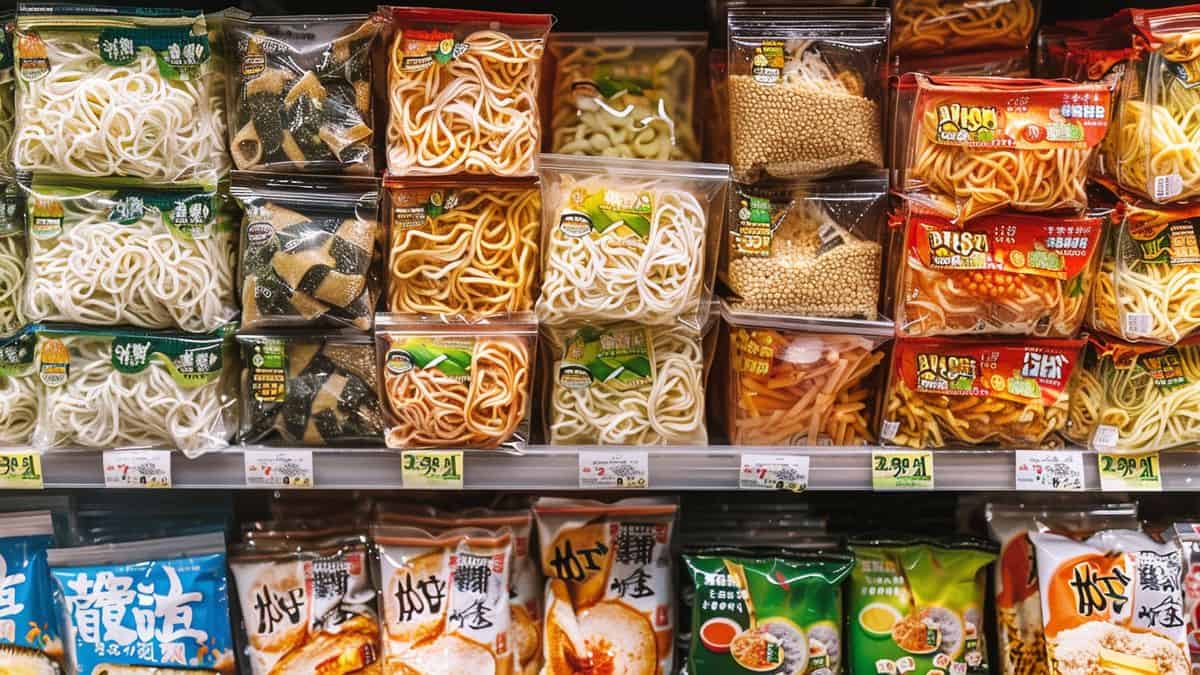
Ramen has been chosen as a flagship product to expand Sias’s range, due to their competitive price on the shelves, which ranges from 50 cents to 2 euros, as well as the exotic culinary experience they offer. By offering authentic ramen produced in Europe, the Korean group intends to capture a significant share of the European market.
The success of this first ramen factory in Alsace will pave the way for future expansion. Indeed, a second phase of investment is already being considered in Wisches, with an increase in production capacity of around 150%. This decision will be made based on the commercial development of the ramen range. This long-term project could also create up to 70 direct jobs.
The establishment of a Korean ramen factory in Alsace marks a turning point in the food industry. Sias, the Korean food group, is committed to producing Korean-style ramen in Europe to meet the growing demand in the European market. By using European ingredients and offering an authentic culinary experience, Sias aims to revolutionize the food sector. The future expansion of the factory and the creation of jobs reflect the Korean group’s confidence in the potential of this initiative. Korean ramen in Alsace is a concrete example of the food industry’s ability to innovate and adapt to new market trends.