

Contents · 6 sections
Champagne is an exceptional wine, famous throughout the world for its unique taste and its sparkle. Originating in the French region of the same name, champagne is made from ripe black and white grapes. The finest champagnes are crafted with great care and attention, and are usually kept for special occasions.
The birth of champagne: an exceptional wine
Champagne is an exceptional wine. It is made from grapes grown in the Champagne region of France, and is famous for its unique taste and its sparkle.
Champagne has a long history. According to tradition, it was invented by the monks of the Abbey of Saint-Pierre in Hautvillers, France, at the end of the 17th century. The monks discovered that wine began to sparkle when it fermented in closed bottles. They then started producing champagne in larger quantities from grapes grown in the area.
Champagne is made from three grape varieties: Chardonnay, Pinot Noir and Pinot Meunier. The grapes are pressed and the juice ferments for several weeks. The wine is then bottled and left to rest for several months or even years. It is during this time that the wine develops its sparkle.
Champagne is served chilled, between 6 and 10 degrees Celsius, usually in flutes or coupes. It can be enjoyed on its own or with fruit, cheese or desserts.
Champagne is an exceptional wine that can be enjoyed at any time of day.

Book an activity in Alsace
All activities via GetYourGuideGuided tours in AlsacePrices and dates on the partner siteBook
 via GetYourGuideDay trips from StrasbourgPrices and dates on the partner siteBook
Partner links: if you book through these links, Alsace Voyage earns a commission at no extra cost to you.
What makes champagne an exceptional wine
Champagne is an exceptional wine, known for its unique sparkle and delicious taste. It is produced in the Champagne region of France from the black grape varieties Pinot Noir and Pinot Meunier and the white grape Chardonnay. Champagne is a sparkling wine, which means it contains carbon dioxide, giving it its characteristic fizz. It is made using the méthode champenoise, or traditional method. This involves a double fermentation, the first in a vat and the second in the bottle. Fermentation in the bottle is what gives champagne its characteristic mousse. Champagne is a much-loved wine, thanks to its delicious taste and unique sparkle.
 Read nextOysters au gratin: an easy recipe for a refined, delicious dish
The expertise behind champagne: an exceptional wine
The expertise behind champagne: an exceptional wine
Champagne is an exceptional wine, produced with unique expertise. It owes its special character to a double fermentation, which gives it its distinctive flavours and aromas.
Double fermentation is a highly complex technique that requires a mastery of winemaking. According to tradition, it was developed at the end of the 17th century by the monks of Hautvillers Abbey, in the Champagne region.
Double fermentation is a long and painstaking process that demands a great deal of patience and skill. First, the grape must ferments for several weeks in stainless steel vats until it reaches a certain acidity. Then the base wine is bottled with sugar and yeast and left to rest for several months or even years.
During the second fermentation, the yeasts turn the sugar into alcohol and carbon dioxide is produced. As the bottle is tightly sealed, the gas remains trapped inside, building up the pressure in the bottle.
Once the second fermentation is complete, the bottles are stored horizontally on laths for several months so that the wine can mature on its lees. Finally, the bottles are disgorged and the champagne is ready to enjoy!
This unique expertise is the source of champagne’s exceptional quality. It is what makes champagne an exceptional wine, sought after and appreciated all over the world.
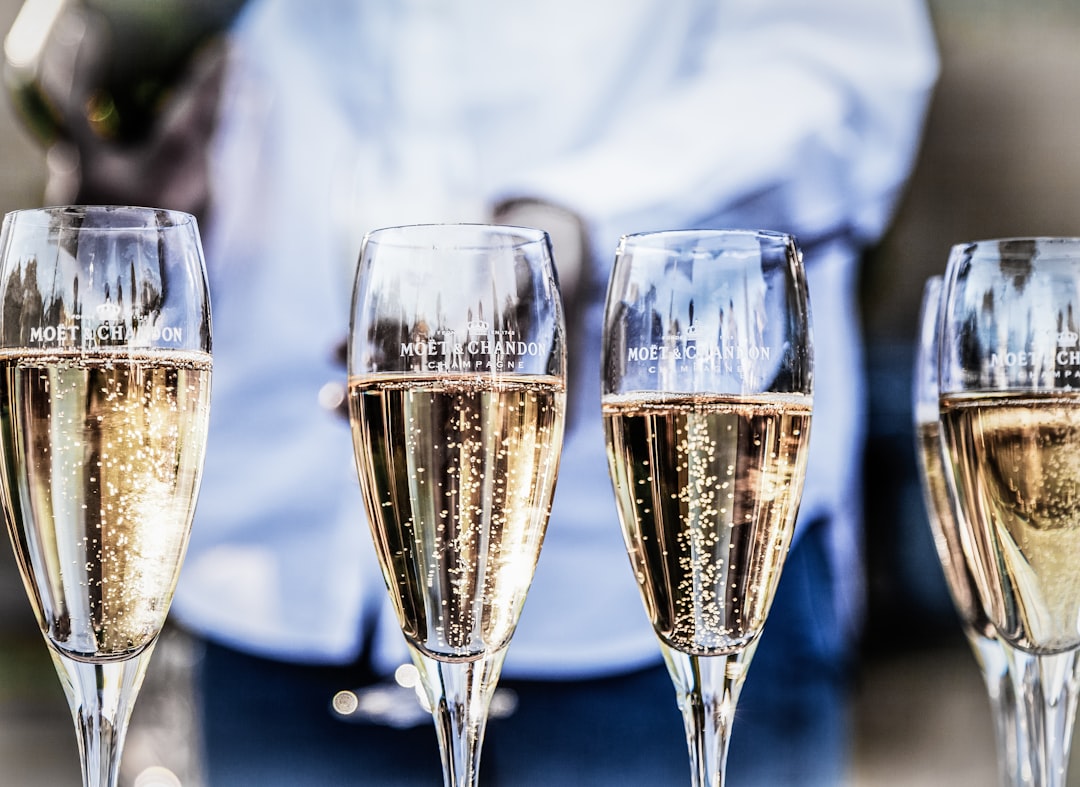
Champagne, an exceptional wine with a unique character
Champagne is an exceptional wine with a unique character. Its production is very strict and must follow numerous rules. Champagne is produced only in the Champagne region of France, from three grape varieties: Chardonnay, Pinot Noir and Pinot Meunier. It is a naturally sparkling wine that owes its fizz to a second fermentation in the bottle, triggered by adding a little sugar and yeast. Champagne is hugely popular around the world and is often associated with festivities and celebrations.
Why is champagne an exceptional wine?
Champagne is an exceptional wine because it is produced using unique methods and its terroir is ideal for growing vines. Champagne production is tightly controlled and must comply with many strict rules laid down by the Comité Interprofessionnel du Vin de Champagne (CIVC). Only wines produced within the Champagne appellation area may bear the name champagne. Making champagne is a long and complex process that requires a great deal of expertise.
Champagne is a sparkling wine made from black and white grapes of specific varieties. The grapes are pressed and the wine undergoes a fermentation in the bottle. This bottle fermentation is a crucial stage that gives champagne its unique character, as it is during this fermentation that the bubbles form. The second fermentation begins after the addition of the liqueur de tirage, made of wine and sugar. It lasts longer than the first and takes place in the bottle, allowing the bubbles to form and the wine to develop its full flavour. After the second fermentation, the champagne is laid down in the cellar for several months so that it can mature quietly.
The Champagne terroir is ideal for wine production. The soils are rich in limestone and clay, which allows the grapes to develop well. In addition, the Champagne climate is temperate and fairly humid, which is perfect for growing vines. The Champagne vineyards are well exposed to the sun, which allows the grapes to ripen properly.
Champagne is an exceptional wine because it is produced using unique methods and its terroir is ideal for growing vines. Champagne production is tightly controlled and must comply with many strict rules laid down by the Comité Interprofessionnel du Vin de Champagne (CIVC). Only wines produced within the Champagne appellation area may bear the name champagne. Making champagne is a long and complex process that requires a great deal of expertise.
Champagne is a sparkling wine made from black and white grapes of specific varieties. The grapes are pressed and the wine undergoes a fermentation in the bottle. This bottle fermentation is a crucial stage that gives champagne its unique character, as it is during this fermentation that the bubbles form. The second fermentation begins after the addition of the liqueur de tirage, made of wine and sugar. It lasts longer than the first and takes place in the bottle, allowing the bubbles to form and the wine to develop its full flavour. After the second fermentation, the champagne is laid down in the cellar for several months so that it can mature quietly.
The Champagne terroir is ideal for wine production. The soils are rich in limestone and clay, which allows the grapes to develop well.
Champagne is an exceptional wine, thanks to its quality and the expertise behind it. It is produced in the Champagne region of France and is famous all over the world for its unique taste.
FAQ
1- What is champagne?
Champagne is a sparkling wine produced in the Champagne region of France. It is made from black grapes (Pinot Noir and Meunier) or white grapes (Chardonnay).
2- Why is champagne so special?
Champagne is special because it is the only sparkling wine in the world entitled to the protected designation of origin “Champagne”. Its production is also tightly controlled and must follow strict specifications. And finally, champagne is associated with celebration and luxury.
3- How is champagne made?
Making champagne is a long and complex process with several key stages: harvesting the grapes, vinification, bottling with yeasts, disgorging and dosage.
4- When should you drink champagne?
Champagne can be enjoyed at any time! It can accompany a meal, be served as an aperitif or be savoured on its own.
5- Which type of champagne should you choose?
There are different types of champagne depending on the level of sparkle, the vintage or the dosage. The best known are brut, rosé and vintage champagne.

Lucas
Hi, I’m Lucas! My heart beats for the pleasures of the table, and here in Alsace, I’m in paradise. Whether it’s a glass of Riesling shared with friends, a hearty sauerkraut dish, or a culinary adventure around a blueberry tart, I live every meal like a celebration. My goal? To make you hungry with articles that highlight our local producers, talented chefs, and delicious specialties. But beware, I don’t just eat (well, almost): I also offer itineraries to explore our vineyards and gourmet markets.
 Food & CraftsmanshipMoving to Alsace or Strasbourg: a practical guide to making the right choice