The Wine Route of Alsace
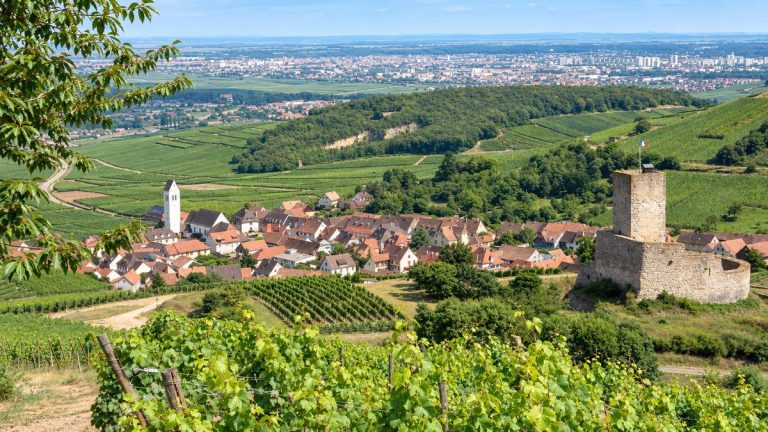
The Wine Route crosses the vineyards from Marlenheim to Thann, at the foot of the Vosges. Here you'll find the villages, routes and tips for tasting wine, walking among the vines and choosing when to visit.
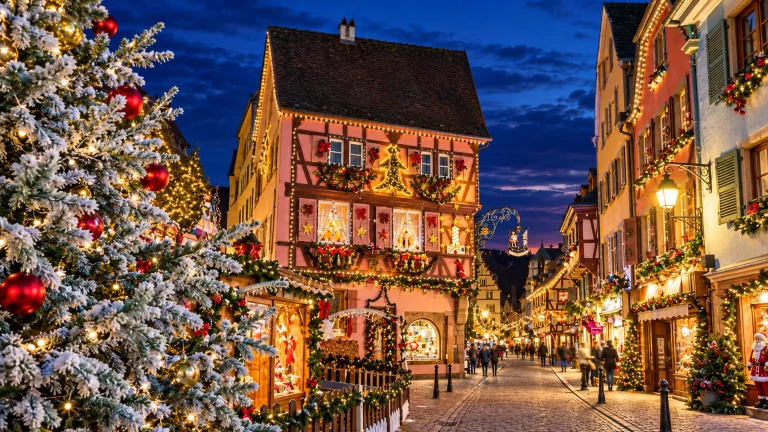
The Wine Route of Alsace through the seasons
What awaits you in each season, and how many entries we recommend.
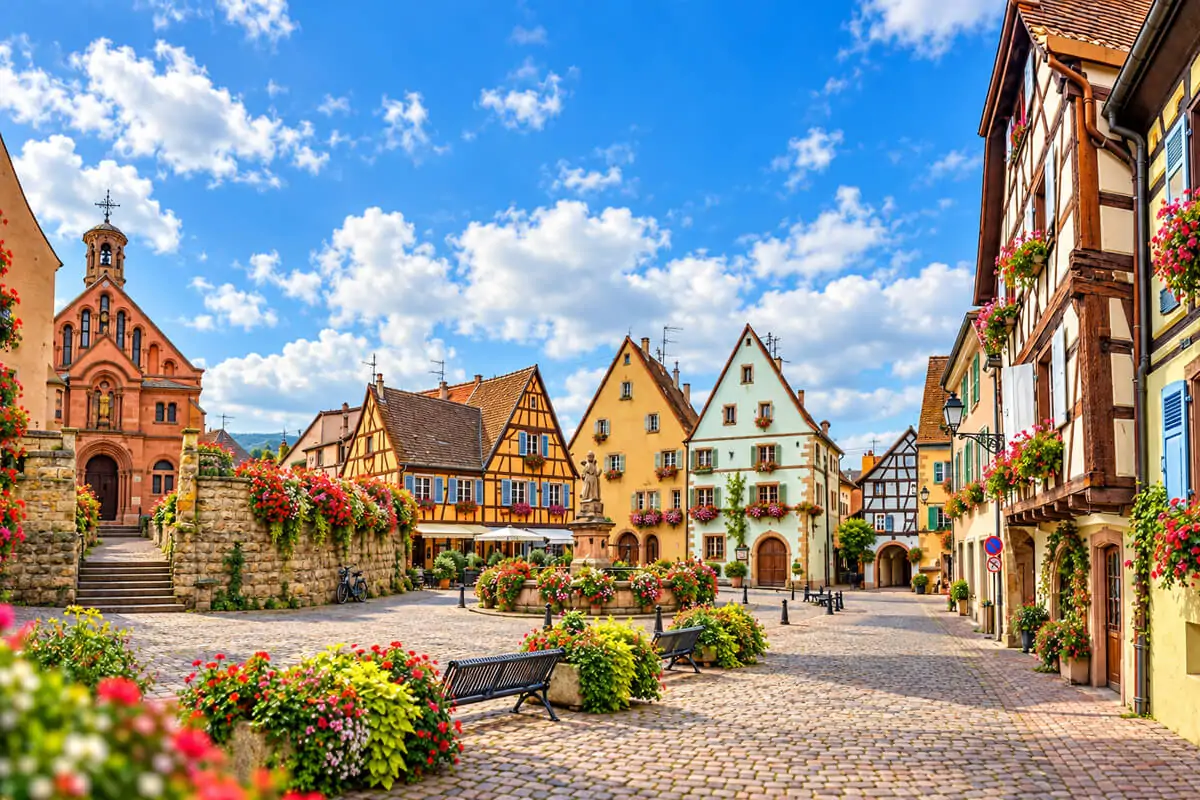
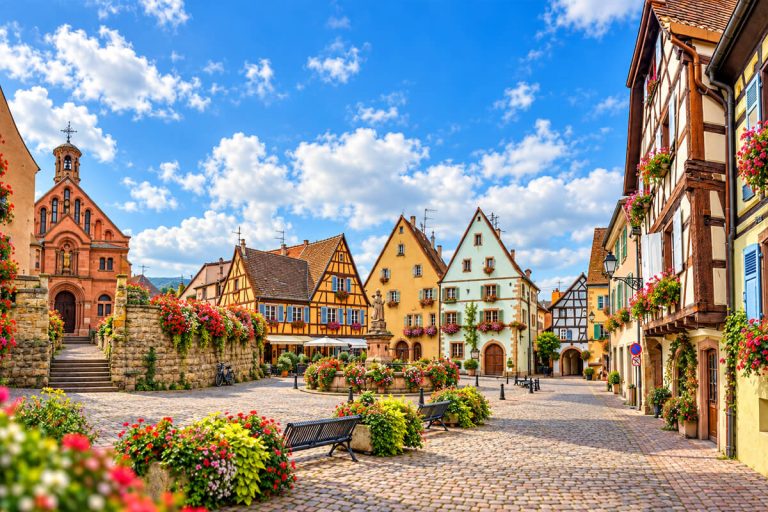 PartnerAlsace Wine Route: the complete guide to a wine-tasting getaway


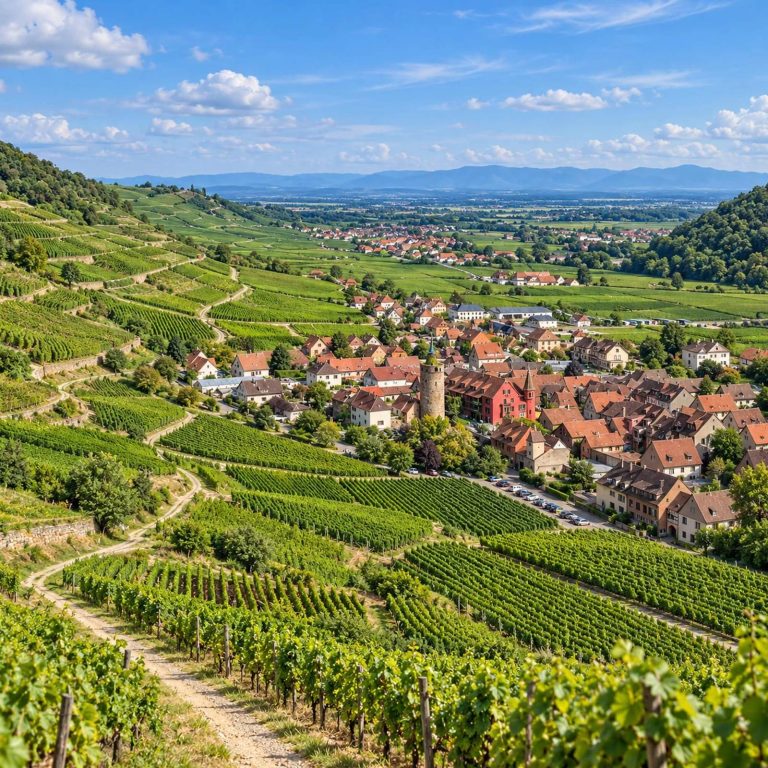
 PartnerThe best places to taste wine in and around Colmar
The Alsace Wine Route: Itinerary, Villages and Tips
Inaugurated in 1953, the Alsace Wine Route runs through the vineyards for 170 km (106 miles), from Marlenheim, west of Strasbourg, to Thann in the south. It passes through nearly 119 wine-producing communes, and more than 720 producers welcome visitors to their cellars. Far to the north, the small vineyards of Cleebourg and Wissembourg extend the journey.
The busiest stretch runs between Obernai and Colmar: Barr, Mittelbergheim, Dambach-la-Ville, Ribeauvillé, Hunawihr, Riquewihr, Kaysersberg, Turckheim, and then Eguisheim, south of Colmar. Allow three to four days to cover the whole route without rushing, stopping in two or three villages a day.
The vineyards rely on seven main grape varieties: Sylvaner, Pinot Blanc, Riesling, Muscat, Pinot Gris, Gewurztraminer and Pinot Noir. Its 51 grands crus correspond to terroirs delimited between 1975 and 2007. Crémant d'Alsace, the sparkling wine, received its appellation in 1976. The designations “vendanges tardives” (late harvest) and “sélection de grains nobles” (selection of noble berries), created in 1984, refer to wines made from overripe grapes.
On the practical side, cycling is a good option: the vineyard bike route follows the same path for about 170 km. About fifty wine trails also let you walk between the rows of vines; during the harvest, from late August to October depending on the year, respect the closures posted at the entrances to the vineyards. If you're tasting wine, designate a driver, or come by train to Colmar, Sélestat or Obernai.
Frequently asked questions
How long is the Alsace Wine Route?
About 170 km (106 miles), from Marlenheim (Bas-Rhin) to Thann (Haut-Rhin). It was inaugurated in 1953 and passes through nearly 119 wine-producing communes.
How many grands crus are there in Alsace?
51. Each one corresponds to a terroir delimited between 1975 and 2007 and has had its own appellation since 2011.
How many days does it take to do the Wine Route?
Three to four days will let you cover the whole route, with visits to villages and cellars. If you only have one day, focus on Ribeauvillé, Riquewihr, Kaysersberg and Eguisheim.
When is the best time to do the Alsace Wine Route?
From May to October for walks in the vineyards, and in September and October for the atmosphere of the harvest. In December, many winegrowing villages hold a Christmas market.
What grape varieties are grown in Alsace?
Seven main varieties: Sylvaner, Pinot Blanc, Riesling, Muscat, Pinot Gris, Gewurztraminer and Pinot Noir, the only red grape. Crémant d'Alsace is the region's sparkling wine.